
The past year demonstrated once again that collective, science-based advocacy delivers real results for fisheries conservation and recreational access along the Pacific Coast. At the same time, emerging challenges remind us that sustained engagement will be critical as we look toward 2026.
One of the most meaningful accomplishments was the reopening of California’s recreational groundfish fishery. This outcome was driven by years of collaborative advocacy and a renewed commitment to improving fisheries science. Testimony from Dr. Ray Hilborn and Dr. Mark Maunder highlighted the need for NOAA Fisheries to invest in new data collection and to complete an updated quillback rockfish stock assessment. That assessment produced a revised estimate of unfished spawning biomass, showing the stock to be healthier than previously understood and allowing for a responsible reopening of the fishery. This effort underscored the value of modern data and adaptive management over reliance on outdated assumptions.
California salmon management also saw important, if limited, progress. ASA appreciates the Pacific Fishery Management Council and the California Department of Fish and Wildlife for supporting in-season management tools designed to ensure quotas were not exceeded. After two consecutive years of full closure, recreational anglers were able to fish for salmon for four total days, two during the summer and two in September. While modest, these opportunities mattered. They reinforced the importance of salmon fishing to California’s communities and highlighted the ongoing need for habitat restoration, water policies that address the biological needs of salmon, continued investment in hatcheries, and effective in-season management to rebuild stocks and provide future opportunity.
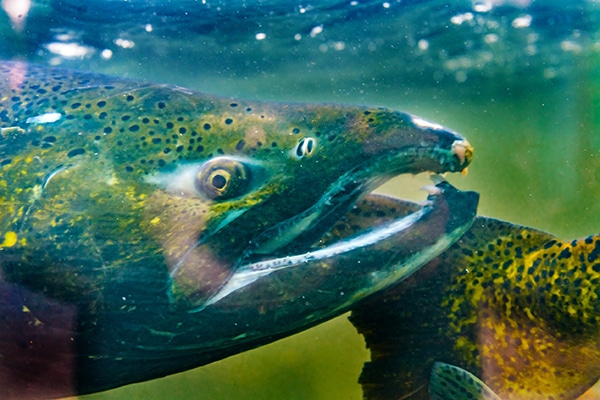
Further north, the high point of marine recreational fishing in the Pacific Northwest was salmon. Anglers from Oregon and Washington took more than one million saltwater salmon fishing trips during the year, generating significant economic activity and delivering meaningful benefits to businesses and coastal communities that depend on recreational fishing.
ASA also thanks the California Natural Resources Agency for its leadership on the state’s 30×30 conservation initiative. Including state waters within the newly established Chumash National Marine Sanctuary demonstrates that biodiversity commitments can be met without unnecessarily impacting a well-managed recreational fishing community. This balanced approach reflects the value of collaboration and stakeholder engagement in conservation planning.
Another bright spot was continued progress in the recovery of Pacific Bluefin Tuna. ASA appreciates NOAA Fisheries for its advocacy through the Joint Pacific Bluefin Tuna Workgroup. Once depleted to approximately two percent of unfished spawning biomass, Pacific Bluefin Tuna have rebuilt to more than twenty percent today due to unprecedented international cooperation and reductions in commercial harvest across the Pacific Ocean. ASA is particularly grateful for the leadership of Drew Lawler and Ryan Wolff and their recommendation that the rebuilding target for Pacific Bluefin Tuna should be forty percent of unfished spawning stock biomass, a goal that reflects long-term sustainability.
Despite these successes, significant challenges face recreational anglers heading into 2026. Recent data indicate declining Pacific halibut abundance from Alaska through California. White sturgeon continue to raise conservation concerns from the Columbia River to the California Delta. Several Pacific salmon stocks continue to decline, and others are being considered for listing under the Endangered Species Act. At the same time, uncertainty around both state and federal funding for fisheries science, management, and habitat restoration is expected to be a continuing challenge, with real implications for conservation outcomes and fishing opportunity.
Looking ahead, ASA will continue to prioritize advocacy that addresses water quality, healthy fish stocks, and sustained recreational access. The progress made this year shows what is possible when anglers, scientists, managers, and policymakers work together. The challenges ahead reinforce why continued, science-driven advocacy remains essential to the future of fisheries and recreational fishing on the Pacific Coast.
Share This Article, Choose Your Platform:
Recent Posts

AUTHOR
Larry Phillips
Pacific Fisheries Policy Director