Last year was a rollercoaster for southeast fisheries issues, to say the least. We started out the year facing a proposed rule that would have established widespread vessel speed restrictions in the Atlantic for half the year for many recreational vessels. In mid-January, NOAA Fisheries thankfully announced the withdrawal of this harmful rulemaking, but they rolled out another doozy for the recreational fishing industry – a proposed Secretarial Amendment that would have closed federal waters off northeast Florida to all bottomfishing for 55 species, including red snapper for three months of the year.
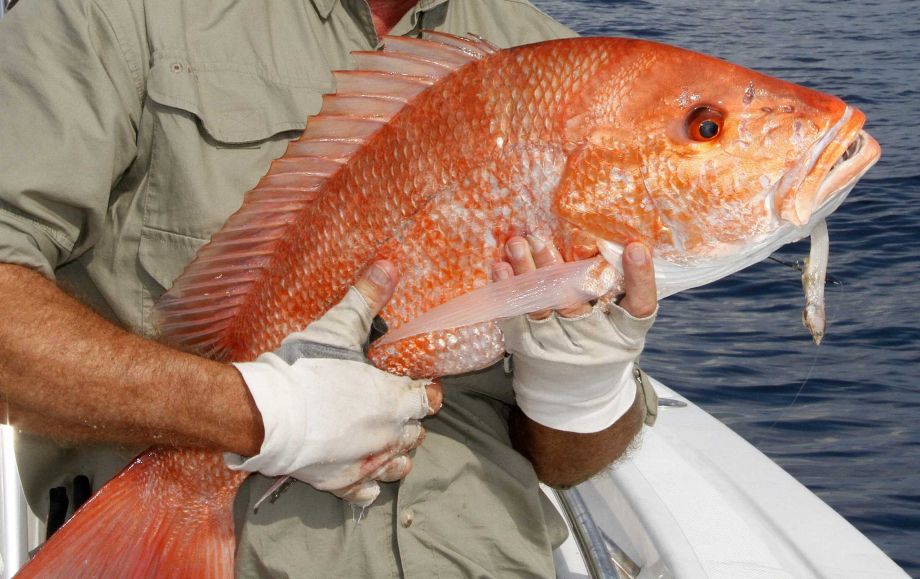
ASA, the recreational fishing community, members of Congress, Governors and many others made their opposition to this harmful proposal known, and ultimately, the new administration at NOAA Fisheries rejected the bottomfishing closure. Despite this, 2025’s Atlantic recreational red snapper season was a mere two days. In contrast, red snapper seasons in the Gulf were some of the longest on record since the Gulf states were delegated the authority to set recreational seasons.
After 15 years of red snapper closures and “mini-seasons,” there is hope for meaningful and positive change to Atlantic red snapper management. Florida, Georgia, South Carolina, and North Carolina requested Exempted Fishing Permits (EFPs) for Atlantic red snapper off their respective coasts in late 2025. Following the EFP requests, Congressional co-chairs of the South Atlantic Red Snapper Task Force sent a letter to Secretary Lutnick requesting approval of the permits. The co-chairs were joined by 18 additional members who signed the letter in support of state-led data collection and management improvements proposed in the EFPs. These requests are under consideration by NOAA and the Secretary of Commerce and if approved, the EFPs will allow South Atlantic states to collect data on recreational fishing harvest and discards to inform future management while increasing access to the fishery for recreational anglers.
Other big topics for the Southeast region in 2025 included:
Florida Keys National Marine Sanctuary
After more than a decade of development, the FKNMS Restoration Blueprint was released, then subsequently vetoed by Governor DeSantis due to unresolved issues between FKNMS and the State of Florida, namely recognition of the State of Florida’s constitutional authority to manage fisheries in state waters of the Sanctuary and state sovereignty over submerged lands. This veto means that Restoration Blueprint regulations do not apply in Florida state waters. While the Restoration Blueprint contains many measures that are supported by ASA, we have long supported the State of Florida’s position on this matter and encouraged the FKNMS to defer to the fisheries management experts at the State in developing fisheries regulations. We expect public comment to reopen on this issue in 2026, which will provide ASA an additional opportunity to weigh in on a resolution that supports conservation and restoration of Florida Keys resources while maintaining public access.
Gulf menhaden
By a 4-3 vote, the Louisiana Wildlife and Fisheries Commission (LWFC) passed a notice of intent to reduce the commercial menhaden fishery buffer zone from one-half mile to one-quarter mile in many areas along the coast. The original buffer zone was established in 2024 to balance industrial harvest with protection of Louisiana’s nearshore ecosystems and fisheries. This reversal was approved by the LWFC following strong opposition from the recreational fishing industry, including a joint letter signed by 188 sportfishing businesses urging the Commission to maintain the existing buffer zone.
In early 2026, the Louisiana Legislature could call for an oversight hearing on this topic and send the notice of intent back to the LWFC. ASA and our partners will continue to advocate for sound Gulf menhaden management measures that support economically and culturally important Louisiana fisheries.
Everglades Restoration
2025 marked the 25th Anniversary of the Comprehensive Everglades Restoration Plan (CERP) and continued progress on Everglades restoration that benefits water quality, habitat and fisheries such as completion of the Biscayne Bay Coastal Wetlands Project and groundbreaking on the Everglades Agricultural Area (EAA) Reservoir Inflow Pump Station, which will have the capability to move approximately 3 billion gallons of water per day from Lake Okeechobee into the EAA Reservoir.
In July, Governor DeSantis announced that the State of Florida and the U.S. Department of the Army reached a landmark agreement to accelerate Everglades restoration, including completing the EAA Reservoir five-years ahead of schedule in 2029. We can expect more progress in 2026, starting with completion of the Picayune Strand project, which will restore more than 55,000 acres of wetlands in southwest Florida.
Seatrout Management
After holding a Seatrout Symposium and multiple workshops with stakeholders, the Florida Fish and Wildlife Conservation Commission (FWC) have added spotted seatrout to their regional management process which already incorporates redfish and snook. By utilizing smaller regions, fisheries managers can react quicker and with more flexibility when needed for these important inshore species.
Conclusion
The Southeast remains one of the most economically important regions for recreational fishing in the United States, contributing $40.5 billion to the nation’s economy. As we celebrate America’s 250th birthday this year, these world-class fisheries and the opportunities they provide to businesses and anglers have never been more important. ASA will continue to work on behalf of our members to protect and promote the future of fishing in the Southeast and Gulf Coasts in 2026 and beyond.
Share This Article, Choose Your Platform:
Recent Posts

AUTHOR
Martha Guyas
Southeast Fisheries Policy Director