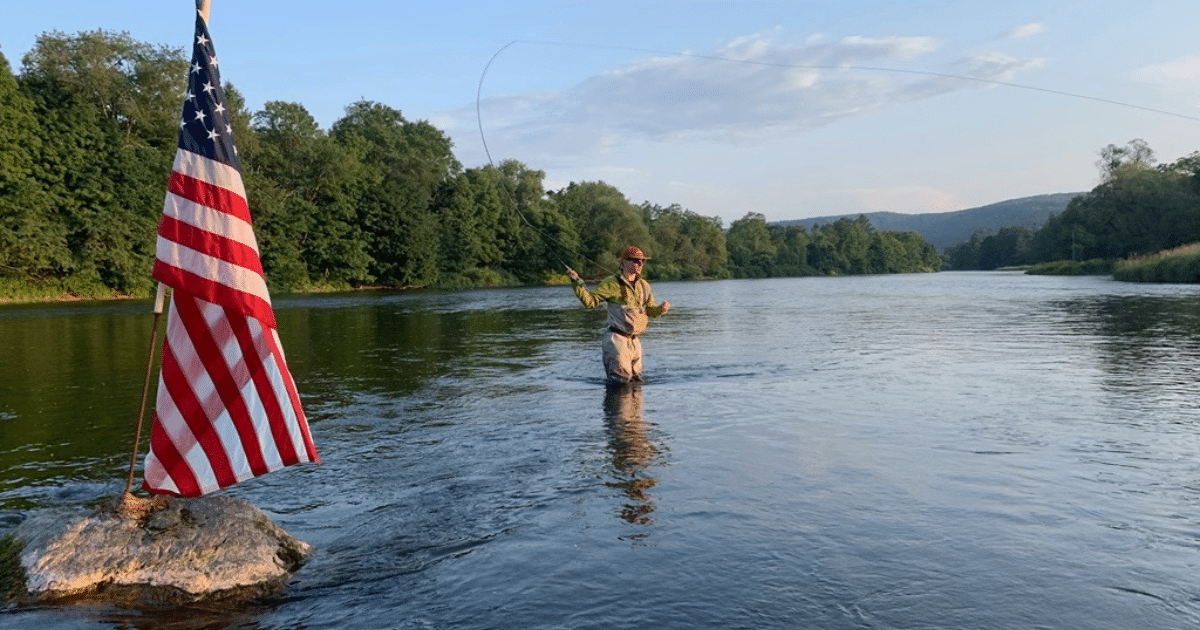
FishAmerica250 shows breadth of great fishing opportunities across all 50 states.
In honor of America’s 250th birthday, the American Sportfishing Association (ASA) is highlighting 250 great places to fish in the U.S.A. Since our nation’s founding, recreational fishing has been an integral part of the American experience. From chasing striped bass to walleye, fishing large reservoirs to coastal marshes, or casting live bait to drifting a dry fly, more than 57 million anglers take to America’s waters each year.
Fishing is more than just a hobby, it’s a powerful economic driver and a cornerstone of many communities, particularly in rural and coastal areas. Our industry contributes $230 billion to the nation’s economy each year and supports over 1.1 million jobs. This in addition to the proven mental and physical benefits our sport provides.
There are lots of factors that make a fishing spot great. It might be the prospect of catching a record breaking musky. Perhaps it’s the thrill of putting a lot of native cutthroat trout in the net after hiking miles from the parking lot. Maybe it’s a drop off or a reef where you almost always bring home a limit of walleye or snapper. Possibly it has less to do with the fishing and more to do with the memories invoked of time spent with loved ones or a chance to find peace and tranquility away from the grind of daily life.
Having an abundance of great fishing in our backyard does not happen by accident, though. Healthy fisheries, clean water and expansive access to our nation’s waterways are all the result of foresight and sound policy decisions made at the federal, state and local levels, and generally a result of advocacy efforts by anglers and sportfishing businesses.
None of these policy decisions have been more integral to the success of America’s rich fishing heritage than the Dingell-Johnson Act. Originally passed in 1950, the bill created the authorized the collection of an up to 10% excise tax on the sale of all fishing tackle sold in the U.S. and a portion of the motorboat fuel tax. The revenues generated from this excise tax are redistributed to states, tribes and territories through the Sportfish Restoration Fund to carry out fisheries conservation in their home states. Since its inception, Dingell-Johnson has generated more than $12 billion for habitat restoration, fisheries research, fish hatcheries, education and public access.
It’s a simple idea that has massive consequences: grow fishing participation -> increase tackle sales -> contribute more to excise tax dollars to conservation and access -> make fishing better -> start the loop all over again. This user pay-public benefit funding model is unique to the United states and the envy of the world over, and our industry is proud to support it.
Equally as valuable as forward-thinking conservation policy are the thousands of fishing tackle retailers 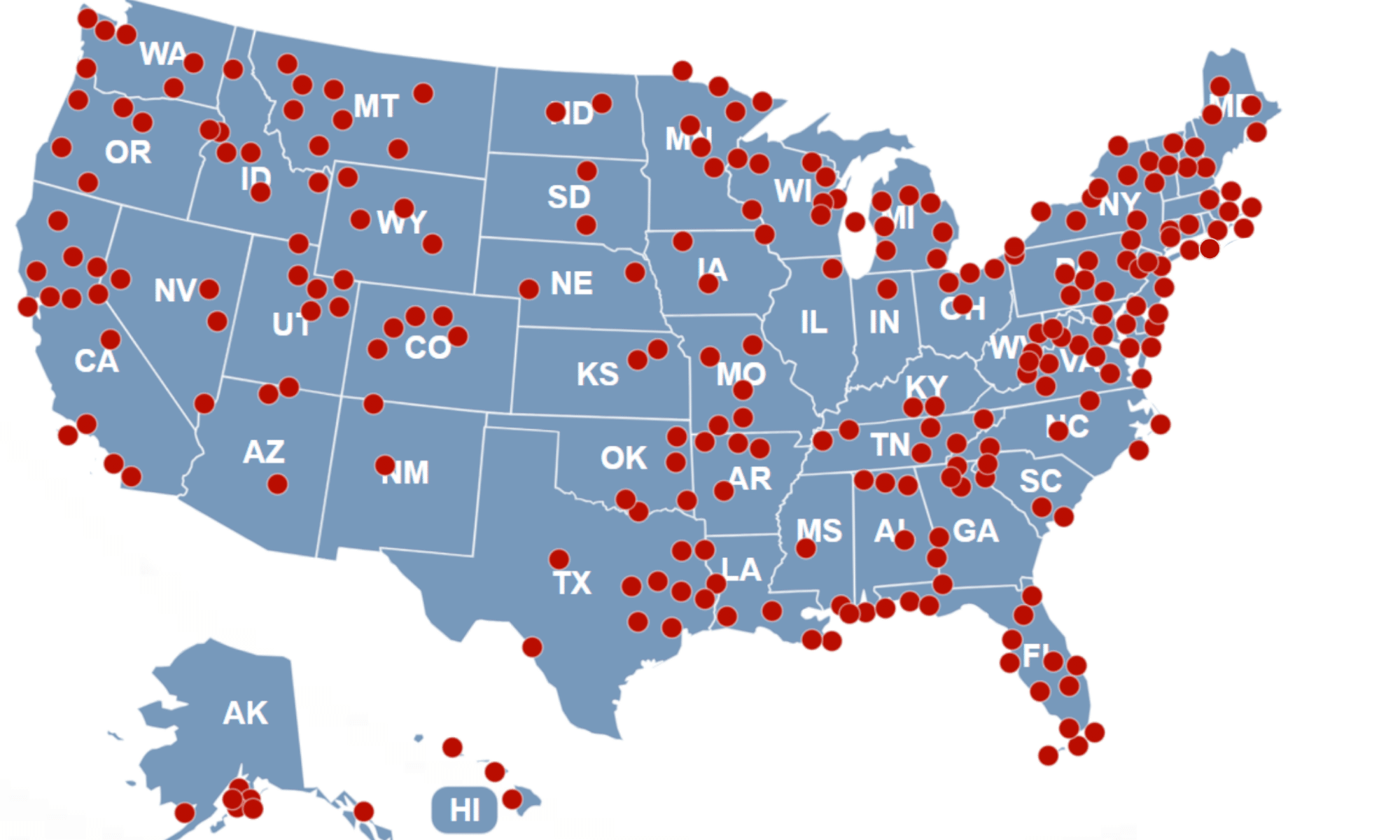 across the nation. From the big box stores to the independent mom-and-pop shops, tackle shops are the cornerstone of any great fishery.
Whether you need the most up-to-date information on fishing conditions, directions to the most productive spots, specific tackle for local waters, or just somewhere to hang out and swap stories, this is where you’ll find it. Tackle shops are also critical to growing fishing participation, since they’re often the first place new anglers are exposed to the sport.
Recognizing the importance of these institutions, we’ve highlighted a local retailer for each great fishery, and we encourage you to stop by next time you hit the water.
It wasn’t easy to come up with 250 locations, not because it’s a lot but because we know it barely scratches the surface of what this country has to offer. So, we want to hear from you – follow ASA’s social media channels (@keepamericafishing) as we release 10 new locations each week until the end of the year and share your great American fishing spot using the hashtag #FishAmerica250.
There’s nowhere else on earth that touts the diversity of fisheries, landscapes and public access than the United States of America and we can’t wait to enjoy them for another 250 years.
Share This Article, Choose Your Platform:
Recent Posts

AUTHOR