FOR IMMEDIATE RELEASE
June 29, 2026
Fly-in participants meet with 30 congressional offices and call for a meaningful 2026 season, better data and stronger state-led management
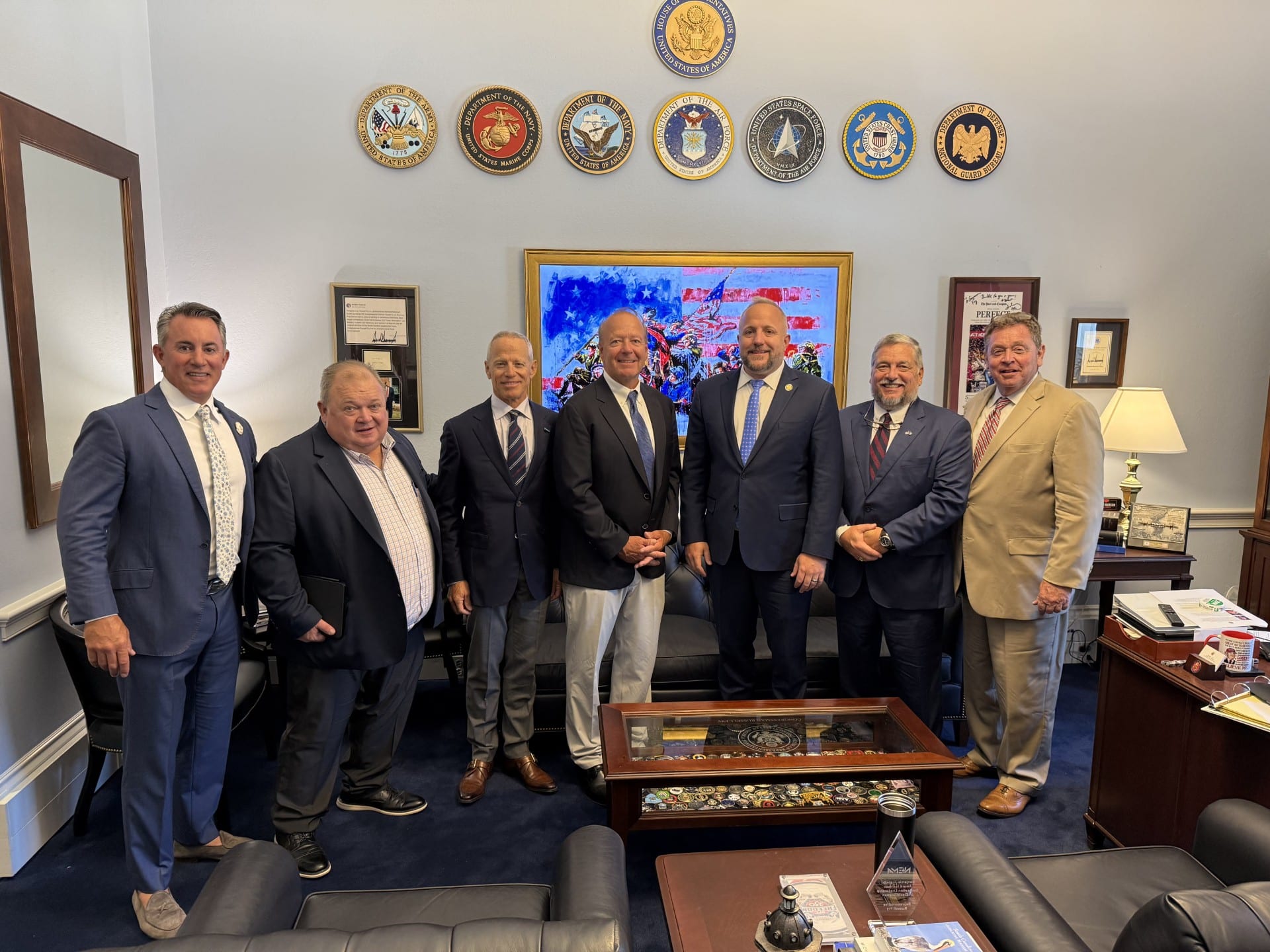
WASHINGTON, D.C. — Recreational fishing and boating leaders from Florida, Georgia, South Carolina and North Carolina were in Washington, D.C., last week for a South Atlantic red snapper fly-in hosted by the American Sportfishing Association (ASA), Center for Sportfishing Policy (CSP), Coastal Conservation Association (CCA), Congressional Sportsmen’s Foundation (CSF) and National Marine Manufacturers Association (NMMA).
Fly-in participants met with 30 congressional offices from across the South Atlantic region to discuss the urgent need to secure a meaningful 2026 Atlantic red snapper season and advance longer-term reforms that improve recreational data collection and provide more reasonable access for anglers and fishing-dependent businesses.
The fly-in followed the last-minute disruption of state Exempted Fishing Permits (EFP) that were designed to test improved state-led data collection and management approaches for South Atlantic red snapper under a longer recreational season. However, the EFPs were halted after a judge issued an injunction, creating immediate uncertainty for anglers, charter captains, headboats, tackle shops, marinas and coastal communities that had prepared for the anticipated season.
In recent days, the four South Atlantic states have moved to withdraw the original EFPs to pursue revised proposals that account for the court’s ruling and updated technical guidance. The recreational fishing community is urging NOAA, the states and Congress to work quickly to preserve a meaningful 2026 fishing opportunity while maintaining the core purpose of the EFPs: testing better state-led data systems that can support improved management and access.
“Recreational fishing is a major economic, social and conservation force in communities across the South Atlantic,” said Glenn Hughes, ASA’s president and CEO. “Through years of patience, sacrifice and conservation efforts, anglers have helped rebuild this fishery. They deserve reasonable, predictable access to a healthy and abundant red snapper stock. Congress can play an important role in helping secure a meaningful 2026 season while supporting the long-term management improvements this fishery badly needs.”
During the fly-in, attendees shared firsthand accounts of how abrupt and limited seasons affect fishing businesses and coastal economies. Charter operators, headboats and tackle shops had booked trips, ordered inventory, advertised fishing opportunities and helped customers plan travel based on the announced state seasons. The sudden shutdown created cancellations, refunds, customer confusion and lost business across the region.
“The strong turnout of serious industry leaders punctuates the broad support for modernizing South Atlantic red snapper management,” said Jeff Angers, president of CSP. “We’re encouraged by the momentum in Washington and remain committed to working with the Congress, the Administration and our state partners to secure meaningful fishing opportunities built on better data and better science.”
Atlantic red snapper supports recreational fishing access, tourism and small businesses throughout the South Atlantic. Anglers bottom fishing in the region often find it difficult to avoid red snapper due to their high abundance. In recent years, however, the recreational season has often been limited to just one or two days, largely because of persistent shortcomings in recreational data. The state EFPs were designed to help address those problems by testing more precise, state-led systems that can support better management and better access.
The coalition is calling on Congress to support NOAA and the South Atlantic states in securing a meaningful 2026 season while advancing long-term management improvements that put states in the driver’s seat on recreational data collection and accountability. These improvements are essential to ensuring future decisions reflect both the health of the red snapper stock and the economic importance of recreational fishing to coastal communities.
“We’re committed to finding a solution to the ongoing failures in the federal recreational angling data system,” said Pat Murray, president of Coastal Conservation Association. “The West Coast and Gulf Coast have shown that the states are better able to provide reliable data for the management of our marine resources. Congress, the states, NOAA leadership and recreational anglers are united in the effort to allow the South Atlantic states to follow that same path and enable better management of our fisheries. We are confident we will prevail.”
“Recent red snapper seasons have been only a handful of days, which is incredibly difficult for anglers, boating businesses, marinas, manufacturers, dealers, and coastal communities that depend on access to the fisheries to make a living,” said Frank Hugelmeyer, president and CEO of the National Marine Manufacturers Association (NMMA). “The recreational boating industry reiterates its strong support for improved data collection of this important recreational fishery and the critical opportunity on a short time horizon to pilot state-led management in the southeast region, so that best available science can guide decisions that support small businesses and anglers.”
“The South Atlantic exempted fishing permits represent the first real opportunity to collect accurate, reliable data on recreational catch and discards, providing a stronger scientific foundation for future management decisions and appropriate access for anglers,” said Chris Horton, senior director of fisheries policy for the Congressional Sportsmen’s Foundation. “Today’s management challenges stem from an imprecise federal recreational data system that was never designed to do what it is being asked to do. These state pilot programs will chart a better path forward, not only for red snapper, but ultimately for the entire snapper-grouper complex.”
ASA, CSP, CCA, CSF and NMMA will continue working with Congress, the Administration, NOAA and state partners to secure near-term fishing opportunities for 2026 and advance lasting improvements to South Atlantic red snapper management.
###
About the American Sportfishing Association
The American Sportfishing Association (ASA) is the trade association for the sportfishing industry, representing the interests of manufacturers, retailers, outdoor media and recreational anglers. Based in Alexandria, Virginia, ASA drives industry growth, champions science-based conservation and advocates for public access to America’s waterways.
About Coastal Conservation Association
CCA is the largest marine conservation group of its kind, representing over 125,000 recreational anglers nationwide. Founded in 1977, CCA advocates for the preservation of coastal marine resources through scientific research, habitat enhancement, and legislative action.
About the Center for Sportfishing Policy
CSP brings America’s leading advocates for marine recreational fishing and boating to promote good stewardship of our nation’s marine resources under a single umbrella. CSP’s mission is to maximize the opportunity for saltwater anglers by engaging stakeholders to speak with one voice to shape federal fisheries policy.
About the Congressional Sportsmen’s Foundation
The Congressional Sportsmen’s Foundation (CSF) works with lawmakers at both the federal and state levels to shape conservation policy, defend access to public lands and waters, and advance America’s outdoor heritage for hunters, anglers, trappers, and recreational shooters.
About the National Marine Manufacturers Association
NMMA is the leading trade organization for the North American recreational boating industry. Representing thousands of marine manufacturers, the NMMA unifies the industry’s voice and champions initiatives that promote boating safety, environmental stewardship, and sustainable market growth.
Share This Article, Choose Your Platform:
Recent Posts

AUTHOR